

• Never remove the battery or disable an alarm because of nuisance alarms. Instead, have the alarm relocated or follow the manufacturer’s instructions.
  • Clean alarms regularly to remove dust and debris.
  • Replace smoke alarms when they reach 10 years from the date of manufacture, or sooner if they fail a test or the manufacturer requires earlier replacement.
  • New York State 10-Year Sealed-Battery Law Since April 1, 2019, new or replacement residential smoke alarms sold in New York State must be either hardwired or powered by a sealed, non-removable battery with a minimum 10-year battery life. These 10-year sealed-battery alarms do not require routine battery replacement. However, the entire alarm must be replaced when it reaches the end of its service life—generally 10 years from the date of manufacture or as specified by the manufacturer. Remember: A 10-year battery does not mean the alarm lasts forever. Replace the entire alarm after 10 years or if the unit becomes faulty. Carbon Monoxide (CO) Alarm Safety Carbon monoxide is an odorless, colorless and potentially deadly gas produced by fuel-burning appliances and equipment.
  • Install CO alarms according to the manufacturer's instructions, including near sleeping areas and on each level where required.
  • Test CO alarms regularly and replace batteries in models with replaceable batteries when required.
  • Replace CO alarms according to the manufacturer's stated service life.
  • CO alarms may have a shorter service life than smoke alarms.
  • Never operate a generator, grill, or other fuel-burning equipment inside a home, garage, basement, or other enclosed space.
  • Have heating equipment, chimneys, and fuel-burning appliances inspected and properly maintained.
  • If an Alarm Sounds SMOKE ALARM: Get everyone outside immediately and call 911 from a safe location. Do not re-enter the building until emergency personnel determine that it is safe. CO ALARM: Get everyone into fresh air immediately and call 911. Do not re-enter the building until emergency personnel determine that it is safe. Symptoms of CO exposure can include headache, dizziness, nausea, fatigue, and confusion. Protect Your Family TEST IT. MAINTAIN IT. REPLACE IT. A working smoke and CO alarm can provide the warning you need to escape safely. If you have questions or concerns about fire safety, please contact us at info@montrosefire.com. For emergencies, dial 911. Stay tuned for the Day 4 Safety Memo. " />
    Emergency: Dial 911 Non-Emergency: 301-475-1900

    Facebook

    Instagram

    Upcoming Events

    2026 Incidents
    Incidents
    Jan 68
    Feb 69
    Mar 70
    Apr 44
    May 67
    Jun 50
    Jul 70
    Aug 66
    Sep 39
    Oct 53
    Nov 50
    Dec 43
    Total 689

    Past Years
    Incidents
    2025 688
    2024 654
    2023 612
    2022 598
    2021 571
    2020 540
    2019 563
    2018 522
    2017 498
    2016 470
    Total 5716

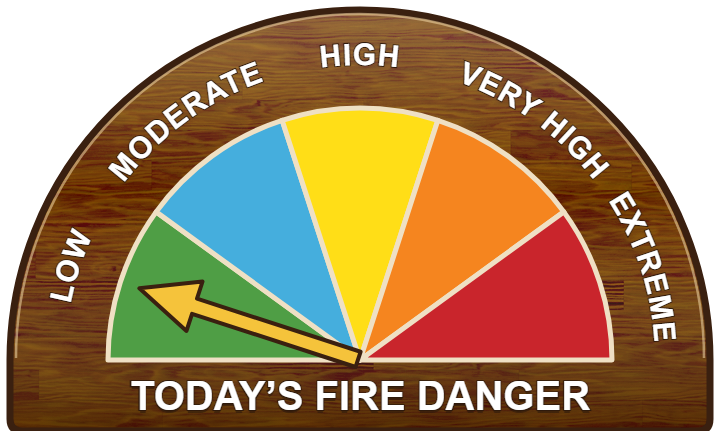
    Today's fire danger is Low
    LOW
    Leonardtown, MD
    NFDRS station CEDARVILLE, MD (26.4 mi) - observed Oct 7, 4:19 PM

    Day 3 Smoke & Carbon Monoxide Detector Safety

    E-mail address is optional and will not be published.


    Back to News Story

    Website Designed and Hosted By:
    Firehouse Solutions
    www.FirehouseSolutions.com
    Content Proudly Maintained By:
    Firehouse Solutions Demo
    P.O. Box 911
    Leonardtown, MD 20650
    Contact Info:
    Emergency Dial 911
    Non-Emergency: 301-475-1900
    E-mail: Sales@FirehouseSolutions.com
    Copyright © 2026 Firehouse Solutions (A Service of Technology Reflections, Inc.)